Laparoscopic Hysterectomy: Procedure, Benefits, Risks, and Recovery

Introduction
Laparoscopic hysterectomy is a minimally invasive surgery to remove the uterus. Doctors often suggest this procedure for women with certain health problems. Unlike open surgery, it uses small cuts and a camera. As a result, recovery is usually faster and less painful. Many women choose this option for its quick healing and fewer scars.
Symptoms and Conditions Leading to Laparoscopic Hysterectomy
Doctors may recommend laparoscopic hysterectomy for several reasons. Often, it is needed when other treatments do not help. Some common conditions include:Heavy or long-lasting periodsUterine fibroids (non-cancerous growths)Endometriosis (tissue growing outside the uterus)Chronic pelvic painCancer of the uterus, cervix, or ovariesProlapse of the uterus (when it slips down)
For many women, these problems cause pain or discomfort. Therefore, surgery may be the best choice.
How the Procedure Is Performed
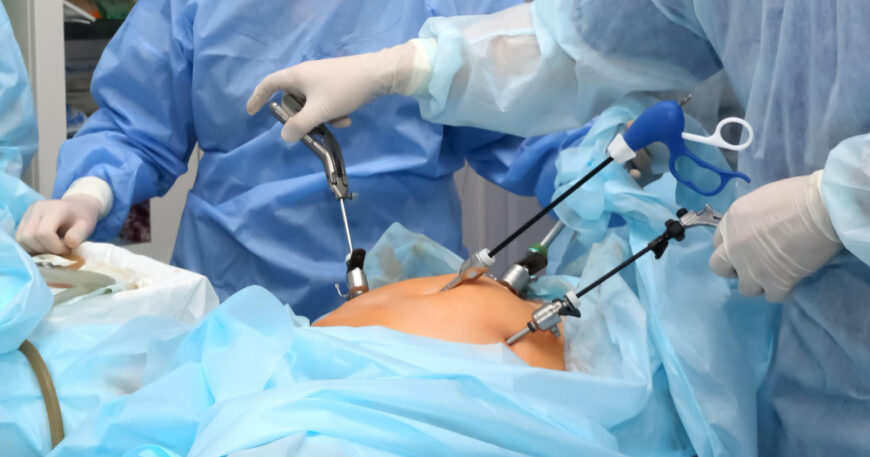
During a laparoscopic hysterectomy, the doctor makes a few small cuts in the belly. Through these cuts, thin tools and a camera are inserted. The camera sends images to a screen, helping the doctor see inside. Next, the uterus is carefully removed through one of the cuts or the vagina. Because the cuts are small, there is less bleeding and pain. Most women go home the same day or after one night in the hospital.
Benefits of Laparoscopic Hysterectomy
This type of surgery offers many advantages over open surgery. For example, patients often experience:Shorter hospital stayLess pain after surgerySmaller scarsLower risk of infectionFaster return to normal activities
Because of these benefits, many women prefer minimally invasive hysterectomy.
Risks and Possible Complications
Although laparoscopic hysterectomy is safe, every surgery has risks. Some possible complications include:Bleeding during or after surgeryInfection at the cut sitesInjury to nearby organs, such as the bladder or bowelBlood clotsReactions to anesthesia
However, serious problems are rare. According to the CDC, most women recover without major issues. Still, it is important to discuss all risks with your doctor.
Recovery Process and Aftercare
After a laparoscopic hysterectomy, recovery time is usually short. Most women return to light activities within two weeks. However, heavy lifting and hard exercise should be avoided for about four to six weeks. To help healing, follow your doctor’s advice. Watch for signs of infection, such as fever or redness at the cut sites. If you notice heavy bleeding or severe pain, contact your doctor right away. Eating healthy foods and resting will also support your recovery.
Prevention and Lifestyle Guidance
While not all causes of hysterectomy can be prevented, some steps may help. For example, regular check-ups with your gynecologist can catch problems early. Eating a balanced diet and staying active may lower your risk for some conditions. If you have heavy periods or pelvic pain, seek medical advice sooner rather than later.
Frequently Asked Questions (FAQs)
How long is the hysterectomy recovery time?Most women feel better in two to four weeks, but full recovery may take up to six weeks.Will I have scars?Yes, but they are small and fade over time.Can I get pregnant after a hysterectomy?No, pregnancy is not possible after the uterus is removed.Is laparoscopic hysterectomy safe?Yes, it is considered safe for most women. However, discuss your risks with your doctor.When can I return to work?Many women return to work in two to four weeks, depending on their job and recovery.
Conclusion
Laparoscopic hysterectomy is a safe and effective way to treat many women’s health problems. Because it is minimally invasive, recovery is often quick and easy. However, every woman’s situation is unique. Consult a gynecologist at Medlyfe Hospitals for personalized advice.