Understanding Snake Bite: Symptoms, First Aid, and Prevention

What is a Snake Bite?
A snake bite happens when a snake bites your skin. Sometimes, the snake injects venom, which is a harmful substance. Not all snakes are venomous, but it is hard to tell which ones are safe. Because of this, every snake bite should be taken seriously. According to the World Health Organization (WHO), snake bites are a medical emergency in many parts of the world. In rural areas, people may face a higher risk. However, snake bites can happen anywhere, even in cities or parks.
Common Symptoms of Snake Bites
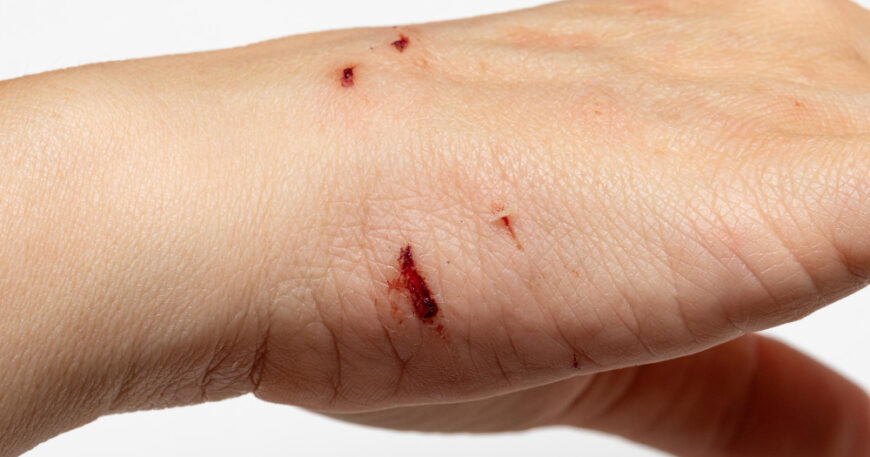
After a snake bite, symptoms can appear quickly. But, the signs depend on the type of snake and the amount of venom. Here are some common snake bite symptoms to watch for:Redness, swelling, or pain at the bite siteBleeding or bruising around the woundNausea or vomitingWeakness or dizzinessDifficulty breathing or swallowingBlurred vision or confusionMuscle cramps or twitching
Sometimes, symptoms may get worse over time. Therefore, it is important to watch for any changes and act quickly.
Immediate First Aid Steps
If you or someone else is bitten, stay calm. Quick and correct first aid for snake bite can save lives. Follow these steps:Move away from the snake to avoid more bites.Keep the bitten area still and below heart level.Remove tight clothing, rings, or jewelry near the bite.Clean the wound gently with water, but do not cut or suck the bite.Cover the bite with a clean, dry cloth.Do not use ice or a tourniquet.Call emergency services or go to the nearest hospital right away.
Remember, do not try to catch the snake. But, if you can, remember its color and shape. This can help doctors choose the right treatment.
When to Seek Emergency Medical Care
Even if symptoms seem mild, you should always seek emergency response to snake bite. Some bites can cause serious problems later. Go to the hospital if you notice:Severe pain or swellingDifficulty breathing or swallowingWeakness, fainting, or confusionBleeding that does not stop
Early medical care can prevent serious complications. Therefore, do not wait for symptoms to get worse.
Diagnosis and Treatment Options
At the hospital, doctors will check your symptoms and ask about the snake. They may run blood tests or look for signs of venom. If needed, you may get antivenom, which is a special medicine that fights snake venom. Other treatments may include:Pain relief medicinesFluids through a vein (IV)Breathing support if neededTreatment for infection or allergic reaction
Doctors will watch you closely. Most people recover well with quick and proper care.
Prevention Tips and Lifestyle Guidance
While snake bites can be scary, you can lower your risk. Here are some tips on how to prevent snake bites:Wear boots and long pants when walking in tall grass or woods.Use a flashlight at night when walking outdoors.Stay on clear paths and avoid thick bushes.Do not put your hands or feet in holes or under rocks.Keep your yard clean and free of piles of wood or leaves.Teach children to stay away from snakes.
Additionally, learn about local snakes in your area. This can help you stay alert and safe. If you see a snake, leave it alone and walk away slowly.
Conclusion
Snake bites are serious, but you can protect yourself with the right knowledge. Now you know the main snake bite symptoms, first aid for snake bite, and how to prevent snake bites. If you suspect a snake bite, seek emergency medical help immediately at Medlyfe Hospitals.