Understanding Endometriosis: Symptoms, Causes, Diagnosis, and Treatment

What is Endometriosis?
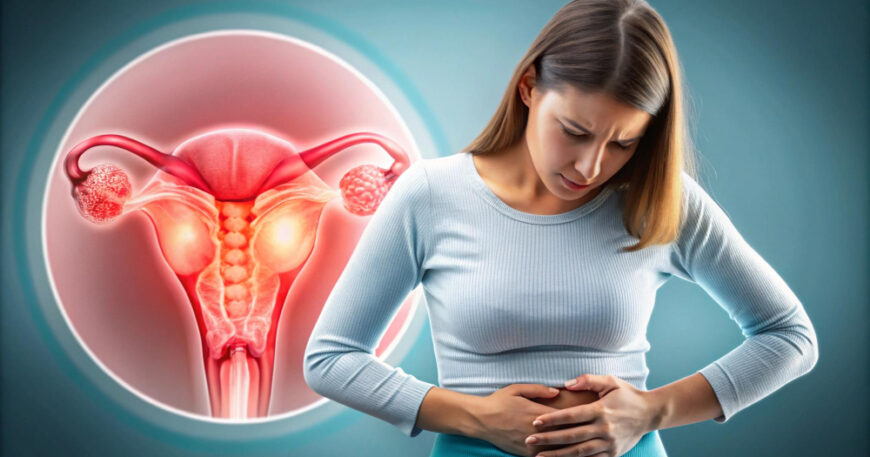
Endometriosis is a health condition that affects many women and girls. In this condition, tissue similar to the lining inside the uterus grows outside it. This tissue can cause pain, swelling, and other problems. Often, endometriosis affects the ovaries, fallopian tubes, and the tissue around the pelvis. However, it can sometimes spread beyond the pelvic area. Because endometriosis can impact daily life, it is important to understand its symptoms and treatment options.
Common Symptoms of Endometriosis
Many women with endometriosis experience symptoms that can affect their quality of life. However, some may have mild or no symptoms at all. Knowing the signs can help you seek help early.Pelvic pain, especially during periodsPain during or after sexPain with bowel movements or urination, especially during periodsHeavy or irregular menstrual bleedingFatigue or feeling very tiredDifficulty getting pregnant (infertility)Lower back pain during periods
Sometimes, these symptoms can be mistaken for other health issues. Therefore, it is important to talk to your doctor if you notice any of these signs.
Causes and Risk Factors
Doctors do not know the exact cause of endometriosis. However, several factors may increase the risk of developing this condition.Family history of endometriosisStarting periods at an early ageShort menstrual cycles (less than 27 days)Heavy periods that last more than seven daysNever giving birthOther health issues that block the flow of menstrual blood
Although these factors may raise your risk, anyone with a uterus can develop endometriosis. Because the cause is not fully understood, more research is ongoing. According to the World Health Organization (WHO), endometriosis affects about 10% of women of reproductive age worldwide.
How Endometriosis is Diagnosed
Doctors use several steps to diagnose endometriosis. First, they will ask about your symptoms and medical history. Next, they may perform a physical exam. However, endometriosis cannot always be seen during a regular exam. Therefore, your doctor may suggest further tests, such as:Ultrasound: Uses sound waves to create images of your organsMagnetic Resonance Imaging (MRI): Gives detailed pictures of tissues inside your bodyLaparoscopy: A minor surgery where a small camera is inserted to look for endometriosis tissue
Because symptoms can be similar to other conditions, getting the right diagnosis is important. Early diagnosis can help manage pain and improve menstrual health.
Treatment Options for Endometriosis
Treatment for endometriosis depends on your symptoms, age, and plans for pregnancy. Your doctor will help you choose the best option. Common treatments include:Pain relief medicines, such as nonsteroidal anti-inflammatory drugs (NSAIDs)Hormone therapy to slow the growth of endometriosis tissueBirth control pills or devices to manage periodsSurgery to remove endometriosis tissue, if other treatments do not helpFertility treatments, if you have trouble getting pregnant
Sometimes, a mix of treatments works best. Because each person is different, your doctor will create a plan that fits your needs.
Lifestyle Tips and Self-Care
Along with medical treatment, self-care can help manage endometriosis symptoms. Although these tips may not cure the condition, they can improve your comfort and well-being.Use a heating pad on your lower belly to ease painTry gentle exercise, such as walking or yogaEat a balanced diet rich in fruits, vegetables, and whole grainsPractice stress-relief techniques, like deep breathing or meditationTrack your symptoms in a journal to share with your doctor
Because endometriosis can affect your mood, talking to a counselor or support group may also help.
Prevention and When to See a Doctor
Currently, there is no sure way to prevent endometriosis. However, knowing your risk and watching for symptoms can help you get care sooner. If you have ongoing pelvic pain, heavy periods, or trouble getting pregnant, see a healthcare provider. Early treatment can make a big difference. In addition, regular check-ups support your overall women’s health.
If you think you may have endometriosis or have questions about your menstrual health, consult a healthcare specialist at Medlyfe Hospitals for personalized advice about endometriosis.