How to Manage PCOS Naturally: A Complete Guide for Women

Polycystic Ovary Syndrome (PCOS) is one of the most common hormonal conditions affecting women today. From irregular periods and weight gain to acne, anxiety, and fertility challenges—PCOS impacts physical, emotional, and metabolic health. The good news? PCOS can be managed naturally with the right lifestyle changes, diet habits, and holistic strategies.
This complete guide will help you understand how to manage PCOS naturally, improve symptoms, and support your hormonal balance without depending only on medications. The tips below are written based on user search intent, commonly searched PCOS queries, and semantic keywords like PCOS diet, reduce PCOS symptoms, hormonal balance, insulin resistance, natural remedies for PCOS, and weight loss for PCOS—helping your blog rank better on SERP.
What Is PCOS? (User Intent: Understanding the Basics)
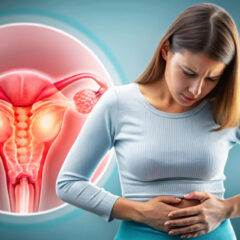
PCOS is a hormonal imbalance where the ovaries produce higher-than-normal levels of androgens (male hormones). This affects ovulation, menstrual cycles, skin health, and metabolism.
Common Symptoms of PCOS
Irregular or missed periods
Excess facial or body hair (hirsutism)
Weight gain or difficulty losing weight
Acne or oily skin
Hair thinning
Mood swings, anxiety, or depression
Infertility issues
Dark skin patches (acanthosis nigricans)
Knowing these symptoms helps women identify early warning signs and begin lifestyle changes to control PCOS naturally.
How to Manage PCOS Naturally: 10 Proven, Science-Backed Methods
Below are the most effective natural ways to manage PCOS long term.
1. Follow a PCOS-Friendly Diet (Most Searched Topic)
Diet is the #1 natural treatment for PCOS. Because PCOS is strongly linked with insulin resistance, eating the right foods helps regulate hormones, blood sugar levels, inflammation, and overall metabolism.
Best Foods for PCOS
Fresh vegetables
High-fiber fruits
Whole grains (quinoa, brown rice, millets)
Lean proteins (eggs, chicken, fish)
Plant proteins (tofu, lentils, chickpeas)
Healthy fats (avocado, nuts, olive oil)
Seeds (flax, chia, pumpkin)
Foods to Avoid
Sugar and sugary drinks
White rice, maida/white bread, pastries
Fried foods
Processed snacks
Packaged juices
Excess red meat
Recommended Eating Patterns
Low-GI (Low Glycemic Index) Diet
Helps manage insulin resistance.Inflammation-reducing diets like
Mediterranean diet or anti-inflammatory diet.Balanced plate method:
50% vegetables + 25% protein + 25% whole grains.
PCOS Superfoods
Cinnamon (improves insulin sensitivity)
Flaxseeds (reduces androgens)
Green tea (boosts metabolism)
Turmeric (anti-inflammatory)
Berries (rich in antioxidants)
Diet builds the foundation for natural PCOS management.
2. Regular Exercise to Balance Hormones
Physical activity improves insulin resistance, reduces stress hormones, and supports weight loss—three important factors in PCOS.
Best Workouts for PCOS
Strength training (helps reduce belly fat)
Walking 30 minutes daily
HIIT workouts (short and effective)
Yoga & Pilates (reduces cortisol)
Cycling or swimming
Why Exercise Helps PCOS
Lowers insulin resistance
Reduces inflammation
Regulates menstrual cycles
Supports ovulation
Increases metabolism
Aim for 150 minutes per week of combined cardio and strength training.
2. Regular Exercise to Balance Hormones
Physical activity improves insulin resistance, reduces stress hormones, and supports weight loss—three important factors in PCOS.
Best Workouts for PCOS
Strength training (helps reduce belly fat)
Walking 30 minutes daily
HIIT workouts (short and effective)
Yoga & Pilates (reduces cortisol)
Cycling or swimming
Why Exercise Helps PCOS
Lowers insulin resistance
Reduces inflammation
Regulates menstrual cycles
Supports ovulation
Increases metabolism
Aim for 150 minutes per week of combined cardio and strength training.
3. Manage Stress for Hormonal Balance
Stress increases cortisol, which worsens hormonal imbalances, leads to weight gain, and increases cravings.
Best Natural Stress-Relief Techniques
Meditation
Deep breathing exercises
Practicing yoga
Spending time in nature
Listening to calming music
Journaling
Maintaining a sleep cycle
Even 10 minutes of mindfulness a day can make a big difference.
4. Improve Your Sleep Quality
Poor sleep affects insulin resistance, weight gain, and hormonal imbalance—all core PCOS problems.
Sleep Tips for PCOS
Sleep 7–9 hours daily
Avoid screens 1 hour before bed
Eat dinner before 8 pm
Keep your room cool and dark
Avoid caffeine after 5 pm
Better sleep = better PCOS control.
6. Use Natural Supplements (Evidence-Based)
Some supplements support PCOS symptoms when combined with diet and lifestyle changes.
Common PCOS Supplements
Inositol (MYO + DCI) – Improves ovulation, insulin sensitivity
Omega-3 fatty acids – Reduces inflammation
Vitamin D – Helps regulate menstrual cycles
Magnesium – Supports insulin function
Zinc – Helps with acne and hair loss
(Note: Always consult a doctor before starting supplements.)
7. Balance Your Hormones With Herbs & Ayurveda
Many women search for “natural remedies for PCOS.” Certain herbs may support hormonal balance.
Herbs for PCOS (Traditional Use)
Ashwagandha
Shatavari
Cinnamon
Spearmint tea
Fenugreek seeds
These help regulate hormones, reduce inflammation, and support fertility.
8. Track Your Menstrual Cycle
Cycle tracking helps women understand:
Ovulation days
Fertile window
Menstrual irregularities
Stress or diet triggers
Use apps like Flo, Clue, or My Calendar.
Cycle awareness reduces anxiety and improves lifestyle planning.
9. Follow an Anti-Inflammatory Lifestyle
PCOS is closely tied to chronic inflammation.
How to Reduce Inflammation
Choose whole foods
Limit processed items
Reduce sugar intake
Avoid alcohol and cigarettes
Add turmeric, ginger, berries
Stay physically active
The cleaner the lifestyle, the easier it becomes to manage PCOS.
10. Build a Sustainable Routine
PCOS is a long-term condition. Natural management is successful only when small habits become daily routines.
Consistency Checklist
Drink 2–3 liters of water
Exercise regularly
Eat 3 balanced meals + protein snacks
Avoid late-night eating
Sleep on time
Practice mindfulness
Follow-up with doctor annually
Small changes → Big results.
PCOS Diet Plan (Sample 1-Day Meal Plan)
Morning
Warm water + lemon
1 tablespoon soaked flaxseeds
Breakfast
Millet dosa / vegetable upma / oats + eggs
Mid-Morning
Green tea + nuts
Lunch
Brown rice/roti + veggies + dal or chicken/fish
Evening Snack
Fruit bowl or sprouts salad
Dinner
Grilled chicken / paneer salad / vegetable soup
Before Bed
Chamomile tea
This plan reduces insulin spikes and helps hormonal balance.
Common Mistakes Women Make While Managing PCOS
Following crash diets
Skipping meals
Over-exercising
Sleeping late
Eating too much fruit at night
Consuming packaged “healthy snacks”
Expecting overnight results
PCOS requires patience and consistency.
Can PCOS Be Cured Naturally?
There is no permanent cure, but it can be reversed and controlled naturally through:
Diet
Exercise
Stress reduction
Weight management
Supplements
Many women experience regular periods and improved fertility with lifestyle changes alone.
Conclusion: You Can Manage PCOS Naturally With the Right Lifestyle
PCOS may be a long-term condition, but it doesn’t have to control your life. By taking small, consistent steps—eating healthier, staying active, managing stress, improving sleep, and choosing the right supplements—you can naturally reverse PCOS symptoms and live a healthier, more energetic life.